I was in my mid-forties when I saw the numbers.
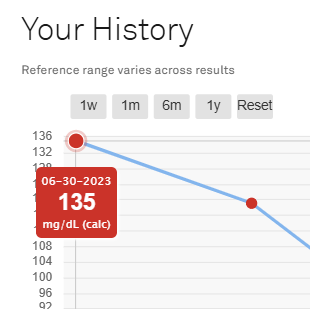
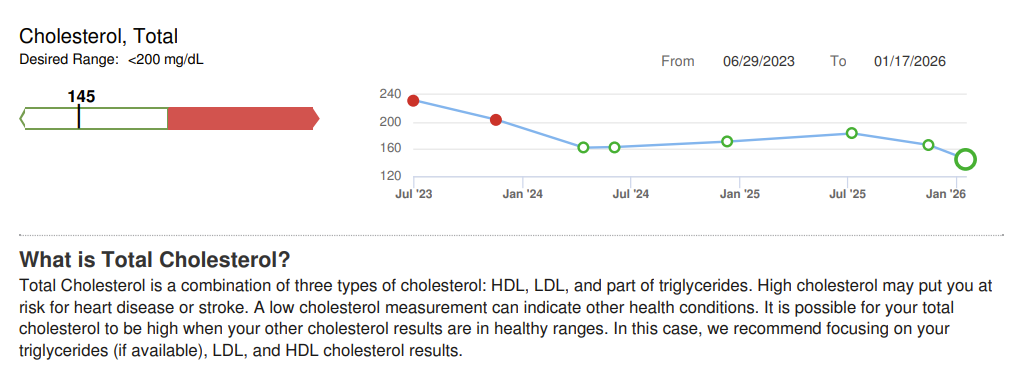
LDL: 135. Total cholesterol: 236.
And I kept picturing the same thing. I’m at home, or in the car, or at work, and my heart just… stops. No warning. No hospital. No second chance.
Was that likely? No. I knew the odds were low. But that’s where my brain went with those numbers.
So I made a decision that felt smart: “Just go vegan. That’ll fix it.”
It didn’t. My LDL was still 135.
Years later, I got it down to 83. I was also taking a statin, and I’ll show you exactly what that looked like. But the change in my diet didn’t come from simply eating more plants. It came from fixing one mistake I didn’t even know I was making.
The Mistake: I Had a Label, Not a Plan
When I started eating plant-based, it was loose. I wasn’t tracking anything. I wasn’t building meals around specific foods. I was just telling myself, “I’m eating healthy now.”
That label gave me cover. If I was “eating healthy,” I didn’t have to look too closely at what was actually on my plate.
June 30, 2023 — LDL: 135 | Total cholesterol: 236
That’s the trap. “Eat healthy” feels like a plan, but it doesn’t tell you:
- What you’re actually eating
- How much of it
- How often
- Whether you’re consistent enough to see a result
If You’re Stuck, You’re Not Alone
I asked my audience what they’d already tried to lower their cholesterol. The answers sounded familiar: more vegetables, more fiber, oatmeal, exercise, less red meat, no fried food.
Over and over, I saw some version of: “I feel like I’m eating healthy, but my numbers aren’t moving.” Some people hadn’t had follow-up labs yet, so they didn’t know whether their changes were working at all.
The obstacles were familiar too:
- It’s hard to stay consistent
- You miss the foods you love
- Healthy meals take time to make
- The advice is all over the place
I get it. I’ve had my custard era. My sesame chicken era. My “just one buffalo roller from 7-Eleven” era. Junk food is fun. It’s designed to be.
I’m not here to make you feel guilty about that. I’m here to say that trying and having a plan are not the same thing.
What Changed: Actual Meals
Years later, I bought Dr. Janet Brill’s book, Cholesterol Down (affiliate link).
The book is organized as steps, but each step is really a food. And here’s what clicked for me: you don’t have to do them one at a time. You can stack them.
So my breakfast became:
- Oats
- An apple
- Nuts
- A psyllium drink
That’s several helpful foods in a single meal. I meal-prepped those breakfasts so they were ready to go. I built my Chipotle lunches around several helpful ingredients. And I applied the same idea at dinner.
No more “I’m eating healthy.” Now I had meals I could repeat.
The Meals I Actually Eat
Over time, I narrowed things down to a few go-to meals I lean on again and again. They do two jobs at once:
- They boost my fiber.
- They crowd out the foods that tend to push my LDL up, like meat, cheese, and other dairy. If my plate is full of beans, fruit, and whole grains, there’s less room for the rest.
Here are two of them.
1. My High-Fiber Cereal Bowl
This is my breakfast workhorse. It takes about three minutes.
- 1 cup Fiber One cereal
- 1 cup frozen berries
- 1 banana
- 1 apple, chopped
- 1 tablespoon carob powder
- 1 tablespoon chia or ground flax
- Soy milk (or another plant milk)
Why soy milk? Any plant milk works, but soy is my pick. Soy protein has some evidence for modestly lowering LDL, and it’s the plant milk I’d choose if LDL is the goal.
It’s sweet, filling, and keeps me full for hours. That last part matters, because when I’m not hungry at 10 a.m., I’m not grabbing a pastry.
2. My Chipotle Bowl
This is my “I don’t feel like cooking” meal, and it’s one of the easiest ways I know to get a big dose of fiber at a restaurant.
Order these (the heavy hitters):
- Brown rice
- Black beans and pinto beans, large servings of both
- Sofritas (instead of meat)
- Corn salsa
Skip these:
- Meat
- Cheese
- Sour cream
The beans and brown rice carry most of the fiber. The sofritas give you plant protein. The corn salsa adds flavor and even more fiber. And by skipping meat and dairy, you’re leaving out a lot of what tends to raise LDL.
It’s a big, satisfying meal, and I never feel like I’m “on a diet” eating it.
3. My Third Go-To Meal
My third go-to is the one I’ve eaten most consistently, and it’s the full breakdown inside my free guide, One Simple Meal I Used Daily (That Changed My Cholesterol Numbers).
A quick tip: If you’re not used to eating this much fiber, ramp up gradually over a week or two and drink plenty of water. Your gut will thank you.
Want More Meal Ideas?
- 7 Easy High-Fiber Meals That Actually Lower LDL
- If I Had to Start Over, This Is Exactly How I’d Lower My LDL Again
My Results (With Full Context)
| Date | LDL | Rosuvastatin dose |
|---|---|---|
| 11/17/2023 | 119 | 5 mg |
| 4/12/2024 | 83 | 10 mg |
My LDL went from 119 to 83. But I want to be straight with you: my statin dose doubled between those two tests, and my diet changed at the same time. I’d also been eating plant-based for about two months.
So I can’t tell you how much of that drop came from the food. What I can tell you is that this was the first time I had changed what I ate in a specific, consistent way, instead of relying on a vague intention.
The Takeaway
My problem wasn’t that I didn’t care. I was scared. I cared a lot.
My problem was thinking a good intention was the same as a plan.
If you want to find out what diet can do for your LDL, get specific:
- Which foods are you adding?
- How often are you eating them?
- Is it easy enough to repeat?
- Are you checking your labs with your doctor?
I still love junk food. I just stopped calling “I’m trying” a plan.
Your Plan: Start With One Meal, Then Build
Don’t try to overhaul everything at once. That’s how I ended up with a label instead of a plan. Build it in stages.
Step 1: Lock in one meal. Start with breakfast. It’s the easiest meal to repeat, and it’s where I stacked the most helpful foods. I put the exact meal I ate daily into a free guide: One Simple Meal I Used Daily (That Changed My Cholesterol Numbers). Make it every day for two weeks until it’s automatic.
Step 2: Expand to your whole day. Once that first meal is a habit, apply the same stacking idea to lunch and dinner. If you don’t want to figure that out from scratch, How to Eat to Lower LDL in 10 Days gives you ten high-fiber meals so you have a full rotation ready to go.
Step 3: Make it stick. Consistency is where most people fall off, including me. If you want ongoing structure, new meals, and people working toward the same goal, join us in The LDL Food Lab.
Step 4: Check your labs. Work with your doctor to retest and see what changed. Keep them involved, especially if you take medication, and don’t change or stop any medication without their guidance.
One meal. Then a full day. Then a routine you can keep. Then let your labs tell you what happened.
This article reflects my personal experience and is not medical advice. Talk with your healthcare provider before making changes to your diet or medication.